Oil is rising again, and this time the market is starting to price in a longer disruption.
Oil prices climbed above USD 110 a barrel as markets reacted to growing uncertainty around a potential resolution to the ongoing US-Iran standoff and the continued disruption of the Strait of Hormuz.
Brent crude rose past USD 111, marking a nearly 6% gain this week, while US benchmark West Texas Intermediate traded above USD 98. The move reflects a shift in sentiment: traders are no longer betting on a quick reopening of one of the world’s most critical energy corridors.
Why You Should Care
This is not just a price spike. It is a reset in how markets are pricing geopolitical risk.
Higher oil prices strengthen revenues and fiscal positioning for producers, while also accelerating investment capacity across energy and infrastructure.
At the same time, for import-dependent economies, the shift reinforces the importance of diversification, energy efficiency, and strategic planning already underway.
What matters now is not just the disruption itself, but how quickly policy, trade flows, and market behavior adapt around it.
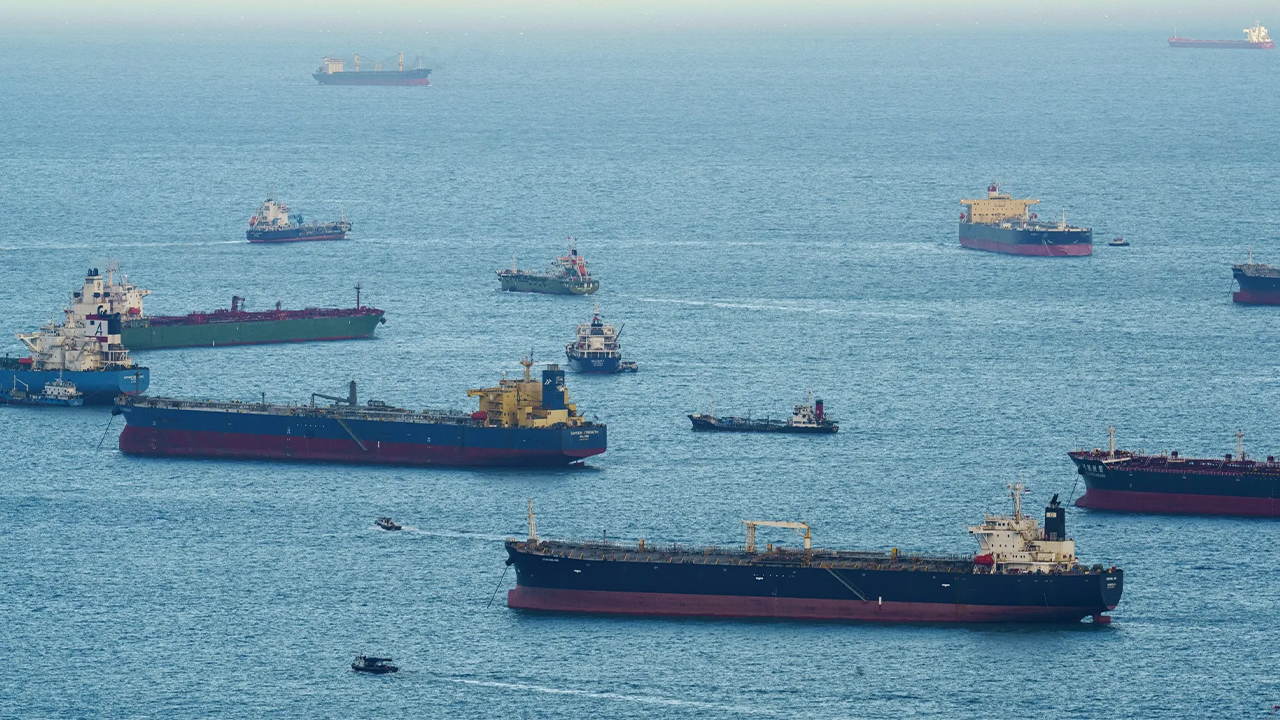
The current price surge is tied directly to the near shutdown of traffic through the Strait of Hormuz. Since mid-April, US naval actions and Iranian countermeasures have reduced daily transits to near zero. The blockade has effectively choked off shipments of crude, natural gas, and refined products, tightening global supply.
While a ceasefire has largely held since early April, the underlying constraints on shipping remain in place. Bloomberg reports that Iran has proposed a path to de-escalation, signaling it could support reopening the strait if the US lifts its naval blockade. Additionally, the reopening is contingent on whether the US agrees to a new legal framework governing transit and provides guarantees against future military action.
Washington, however, has not signaled alignment with those terms. US officials continue to emphasize “red lines,” particularly around Iran’s nuclear program. This includes demands to halt uranium enrichment and commit to never developing nuclear weapons.
Early signals suggest the US is unlikely to accept the proposal in its current form, though negotiations are expected to continue, with a formal response anticipated in the coming days.
Markets are responding accordingly. Futures pricing increasingly reflects expectations of prolonged supply tightness rather than a short-term disruption.
The Ripple
The impact extends well beyond oil traders.
Global inflation expectations are beginning to adjust upward again, particularly in import-dependent economies. Shipping and insurance costs are rising as risk premiums increase across key maritime routes.
For Gulf producers, the current environment reinforces fiscal strength and may accelerate investment cycles. Meanwhile, for Asian buyers, who rely heavily on Hormuz flows, supply diversification becomes more urgent.
At the same time, energy markets are becoming more sensitive to geopolitical signaling. Each statement from Washington or Tehran now carries direct pricing implications.
What to Watch
The US response to Iran’s proposal will set the direction of both diplomacy and markets in the near term. A rejection would likely reinforce expectations of prolonged disruption, while even partial alignment could trigger a rapid price correction.
Equally important is what happens on the water. Any measurable increase in tanker traffic through Hormuz would signal a shift faster than official announcements.
For now, the market is settling into a new baseline: disruption is no longer temporary, and resolution is no longer assumed.
If you see something out of place or would like to contribute to this story, check out our Ethics and Policy section.