The move comes amid regional tensions, with OPEC+ maintaining output plans while quietly adjusting to the loss of one of its long-standing members
Why You Should Care
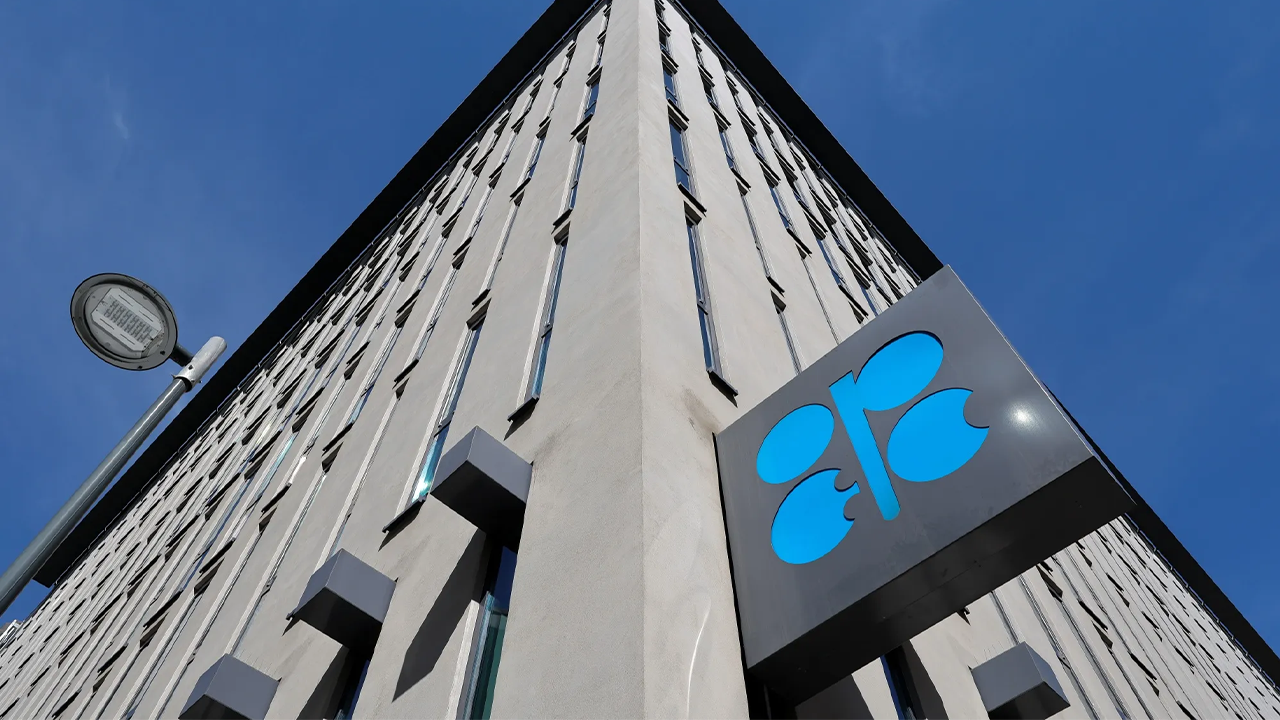
The UAE’s exit from the Organization of the Petroleum Exporting Countries (OPEC+) marks a shift in how one of the group’s key producers will operate going forward. While the alliance continues to signal stability, the move gives the UAE greater flexibility over its production strategy and introduces a new dynamic within the broader oil market.
In the near term, the impact is limited by ongoing regional tensions affecting global enery exports. Over time, however, the UAE’s ability to act independently could add a new layer to how supply decisions play out, particularly as market conditions evolve.
The United Arab Emirates formally exited OPEC+ on May 1, following an announcement just days earlier on April 28. Bloomberg reports that the decision caught several member states off guard. However, the group continue push a broader message of unity and stability.
Despite this, OPEC+ is proceeding with its planned production increases, continuing a process of restoring output that had been curtailed in previous years. According to market observers, the group’s approach appears deliberate. By maintaining its existing trajectory, OPEC+ is projecting continuity and minimizing the perception of internal disruption.
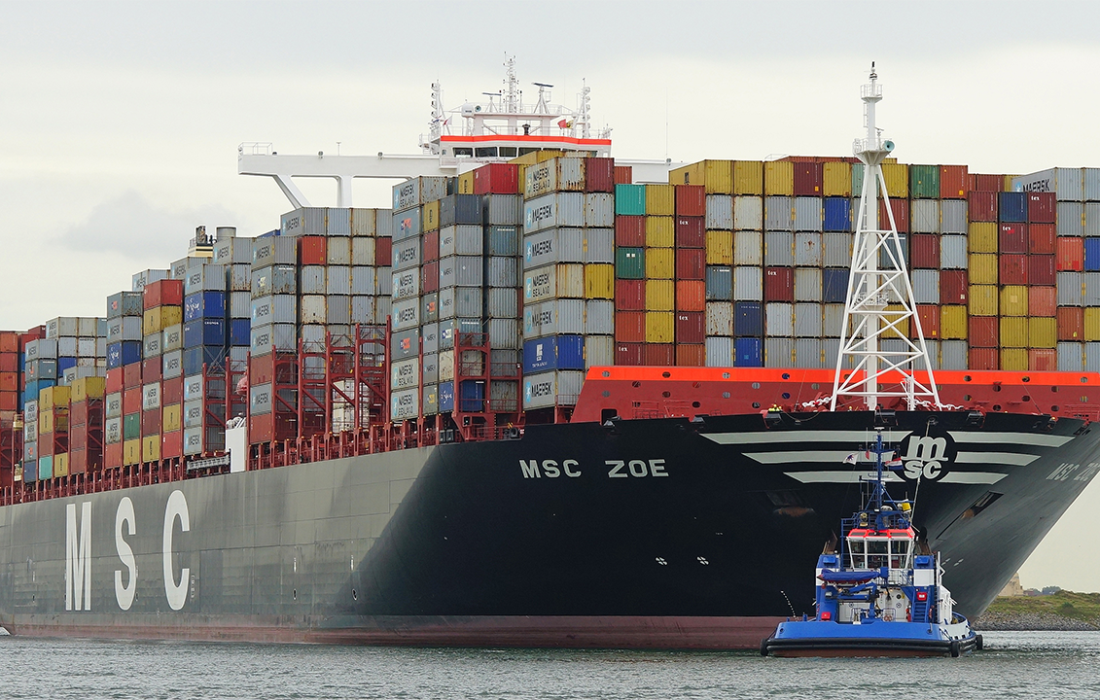
The timing is also shaped by external constraints. Planned production increases are largely symbolic at this stage, as the key export routes, the Strait of Hormuz, remain affected by ongoing geopolitical tensions. Without full access to these routes, additional supply cannot easily reach global markets.
The UAE has also stepped away from the Organization of Arab Petroleum Exporting Countries (OAPEC), further underscoring a broader repositioning in its energy strategy.
The Ripple
The UAE’s departure comes after a period of evolving dynamics within OPEC+, including differing approaches to production policy among member states. While the immediate impact on supply remains limited, the move highlights how individual producers are continuing to balance national priorities alongside collective coordination.
Once regional export conditions stabilize, the UAE will have greater flexibility to adjust its production levels independently. This could gradually introduce additional supply into the market, depending on timing and demand conditions.
At the same time, global oil markets are already being shaped by a wider group of producers beyond OPEC+, including US shale. The UAE’s exit adds another variable to this broader supply landscape, as the group continues to operate within a more diversified market environment.
What to Watch
Attention will turn to OPEC+’s upcoming meeting on June 7, where the group is expected to continue assessing market conditions and aligning on its production approach.
Another key factor will be the status of regional export routes. As conditions evolve, the pace at which supply returns to global markets will become clearer.
For the UAE, its next steps will be shaped by both market demand and timing, as it begins operating with greater flexibility within the global oil landscape.
If you see something out of place or would like to contribute to this story, check out our Ethics and Policy section.