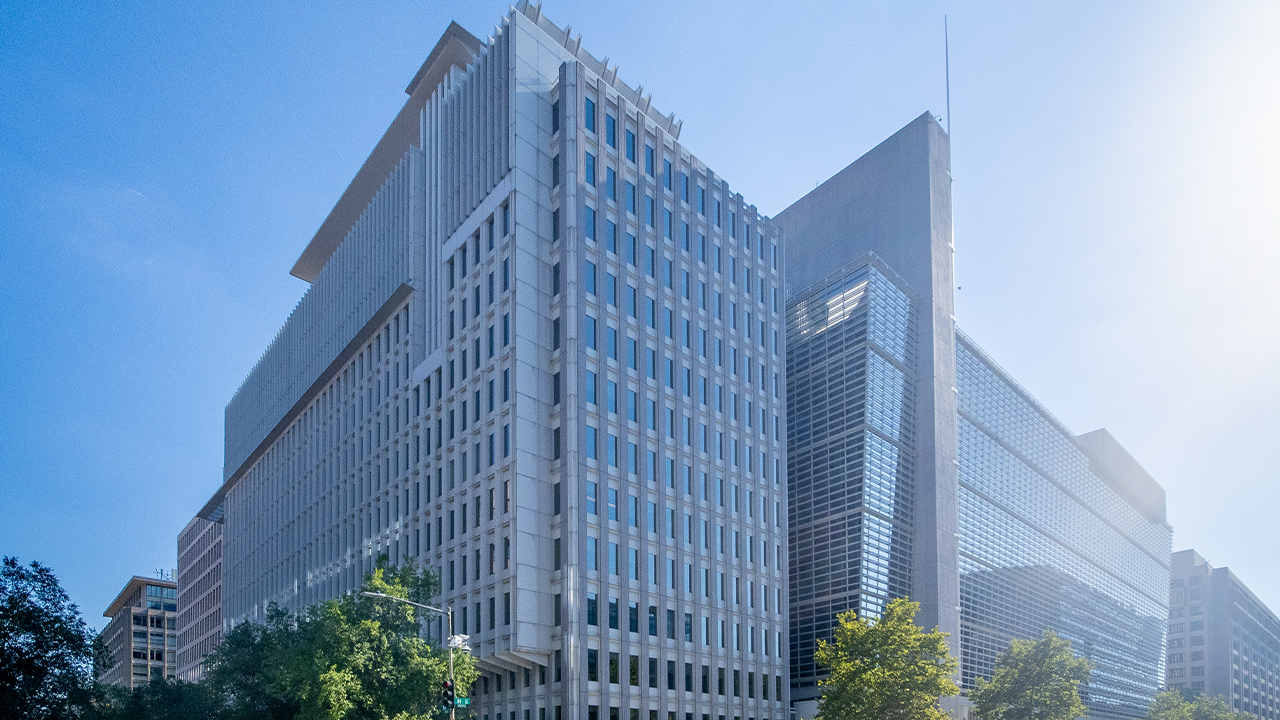
The World Bank Group has approved a new USD 1 billion financing package for Egypt. The financing aims to support private sector-led growth, fiscal resilience, and the country’s transition toward a greener economy.
Why You Should Care
The financing comes as Egypt continues implementing economic reforms while navigating a global and regional environment that has remained challenging over the past two years.
The support aims to expand private sector activity, improve fiscal resilience, and encourage longer-term investment. It also highlights the growing focus on sectors tied to infrastructure, clean energy, and economic modernization.
The World Bank Group approved USD 1 billion in financing for Egypt. This is to support Egypt’s efforts to boost private sector–led job creation and strengthen macroeconomic and fiscal resilience. It also aims to advance its transition to a greener economy. The financing includes a USD 200 million credit guarantee from the United Kingdom.
The World Bank Group approved the financing under the “Generating Resilience, Opportunities, and Welfare for a Thriving Egypt II” (GROWTH II) Development Policy Financing program. The financing supports reforms focused on job creation, fiscal sustainability, and green growth
“The reforms supported under this project will generate more and better jobs for Egyptians, protect our citizens in vulnerable situations, and ensure that growth is both sustainable and inclusive,” said H.E. Samar Al Ahdal, Deputy Minister of Foreign Affairs for International Cooperation.
The financing backs several measures aimed at expanding the role of the private sector in the economy. These include reforms tied to the governance of state-owned enterprises, enforcing fair competition rules. It also supports reforms to increase domestic revenue mobilization, improve the efficiency of domestic debt markets, and reduce the cost of government funding.
On the social side, the financing includes support for automatically enrolling beneficiaries of Egypt’s Takaful and Karama programs into the Universal Health Insurance System. The goal is to improve access to basic healthcare services for economically vulnerable citizens.
The package also places significant focus on Egypt’s green transition. Reforms supported under the program include improving greenhouse gas emissions monitoring, developing carbon credit markets, encouraging demand for clean energy, and strengthening the financial sustainability of the electricity and water sectors.
The Ripple
The financing reflects how Egypt’s economic reform program is becoming increasingly tied to broader international partnerships and long-term structural reforms.
The green economy component also signals that climate-related financing and infrastructure reforms are becoming more central to how multilateral institutions engage with Egypt and the wider region. Areas such as clean energy, carbon markets, utilities, and sustainable infrastructure could see increased policy attention and investment activity over the coming years.
What to Watch
The financing comes as Egypt has already been advancing private sector participation, fiscal reform, and economic modernization.
It also adds momentum to ongoing efforts around clean energy, infrastructure sustainability, and expanding social protection programs, which have become central parts of the country’s broader development strategy.
The agreement also reinforces Egypt’s continued collaboration with international financial institutions as the country advances longer-term economic and development plans.
If you see something out of place or would like to contribute to this story, check out our Ethics and Policy section.