The CBE’s Q1 2026 report said regional tensions continued to impact inflation, stronger reserves and external buffers supported resilience.
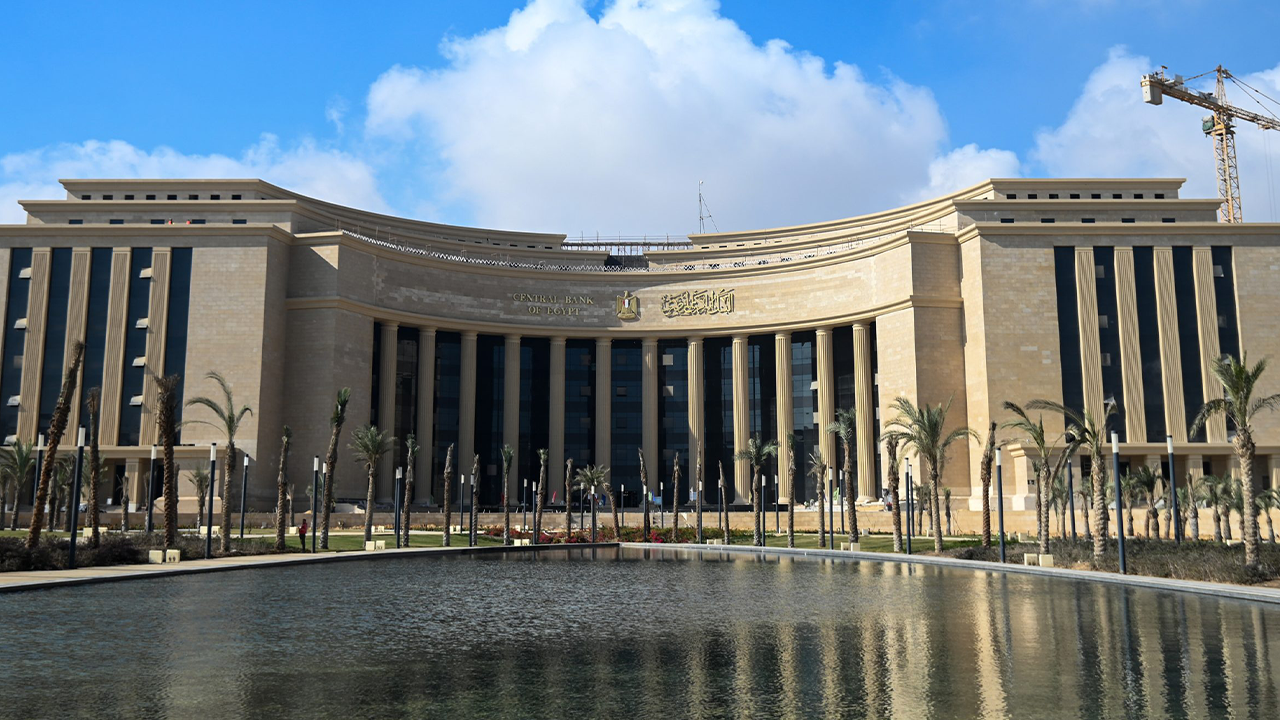
Egypt’s Central Bank (CBE) released its Q1 2026 Monetary Policy Report. The report outlines the dynamics that influenced the global and domestic economic landscapes in the first quarter of 2026. The report focuses on inflation dynamics, the real, external, and monetary sectors, as well as domestic liquidity and financial conditions.
Why You Should Care
The report offers a broad snapshot of how Egypt’s economy is performing as policymakers continue balancing inflation control with economic stability.
While inflationary pressures remain present, the report also points to improving reserve levels, stronger foreign asset positions in the banking sector, and better private sector indicators compared to previous years.
It also reflects the CBE’s continued focus on strengthening transparency and reinforcing its inflation-targeting framework.
According to the report, annual headline inflation reached 13.5 percent in Q1 2026, up from 12.3 percent in Q4 2025.
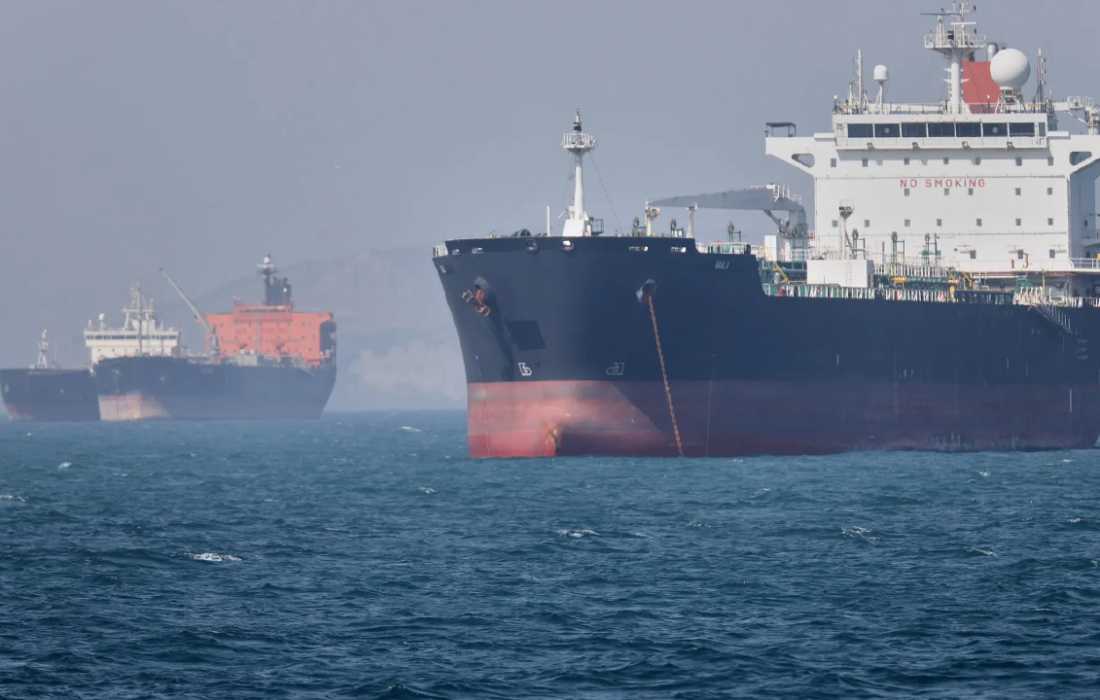
The CBE points to global economic conditions during the quarter, which were shaped by ongoing uncertainty from regional geopolitical tensions due to the Iran–US conflict. The rising energy shock contributed to inflationary pressures through higher domestic energy prices, heightened uncertainty, and weakened investor sentiment.
Against this backdrop, the CBE revised its baseline inflation forecast upward. Although the Egyptian economy remains resilient, supported by exchange rate flexibility. This acts as a shock absorber to preserve external buffers and mitigate the pass-through to economic activity.
The Monetary Policy Committee (MPC) in its recent meeting on April 2, 2026, the t decided to keep the key policy rates unchanged.
The overnight deposit rate, overnight lending rate, and the rate of the main operation remain at 19.0 percent, 20.0 percent, and 19.5 percent, respectively. The discount rate was also maintained at 19.5 percent. The Committee opted to pause the easing cycle and adopt a wait-and-see approach, deciding to keep the CBE key policy rates unchanged to preserve the tight monetary policy stance.
This approach will help ensure inflation expectations remain anchored, pressures are contained, and disinflation is restored. Going forward, the Committee will evaluate its monetary stance based on evolving economic conditions. Moreover, policy decisions are contingent on incoming data, the forecasted inflation trajectory, and the prevailing balance of risks.
The report also highlighted improvements across several external sector indicators. Net international reserves rose to USD 52.8 billion by the end of March 2026, continuing an upward trend from previous quarters.
Additionally, Commercial banks’ net foreign assets also improved significantly, reaching USD 12.2 billion in December 2025. This indicates a stronger capacity to absorb external shocks.
Remittances rose from 6.8 percent of GDP in CY2021 to 10.2 percent of GDP in CY 2025. Furthermore, foreign direct investment increased from 1.1 percent to 3.8 percent of GDP during the same period. Meanwhile, the private sector’s share of total investments increased to 57.3% in 2025 from 42.5% in 2021.
Together, these improvements point to a strengthening external position due to sustainable financial flows and higher current account receipts
The Ripple
The report highlights how the CBE is continuing to prioritize inflation management amid shifting global economic conditions.
At the same time, stronger reserve levels, improving banking sector foreign assets, and better private sector participation point to broader efforts to strengthen the economy’s resilience and macroeconomic stability.
According to the CBE, Egypt appears better positioned to absorb the current Iran–US shock compared to the period preceding the Russia–Ukraine conflict. The report pointed to stronger external inflows, higher reserve adequacy, improved foreign asset positions within the banking sector, and stronger private sector conditions as factors supporting the economy’s shock-absorption capacity.
Thus, while external shocks continue to influence inflation and financial conditions, Egypt is entering the current period with stronger macroeconomic buffers than during previous global disruptions.
What to Watch
The focus in the coming quarters will likely remain on inflation trends, liquidity conditions, and the pace of monetary policy adjustments.
The report suggests policymakers are closely monitoring how external market conditions and domestic inflation dynamics evolve, while relying on stronger reserve buffers and tighter policy settings to support stability.
If you see something out of place or would like to contribute to this story, check out our Ethics and Policy section.