Three-year extension raises the agreement’s value by 67% as Cairo and Beijing deepen financial ties and broaden yuan usage in cross-border trade.
Egypt and China are expanding one of the key financial mechanisms underpinning their economic relationship.
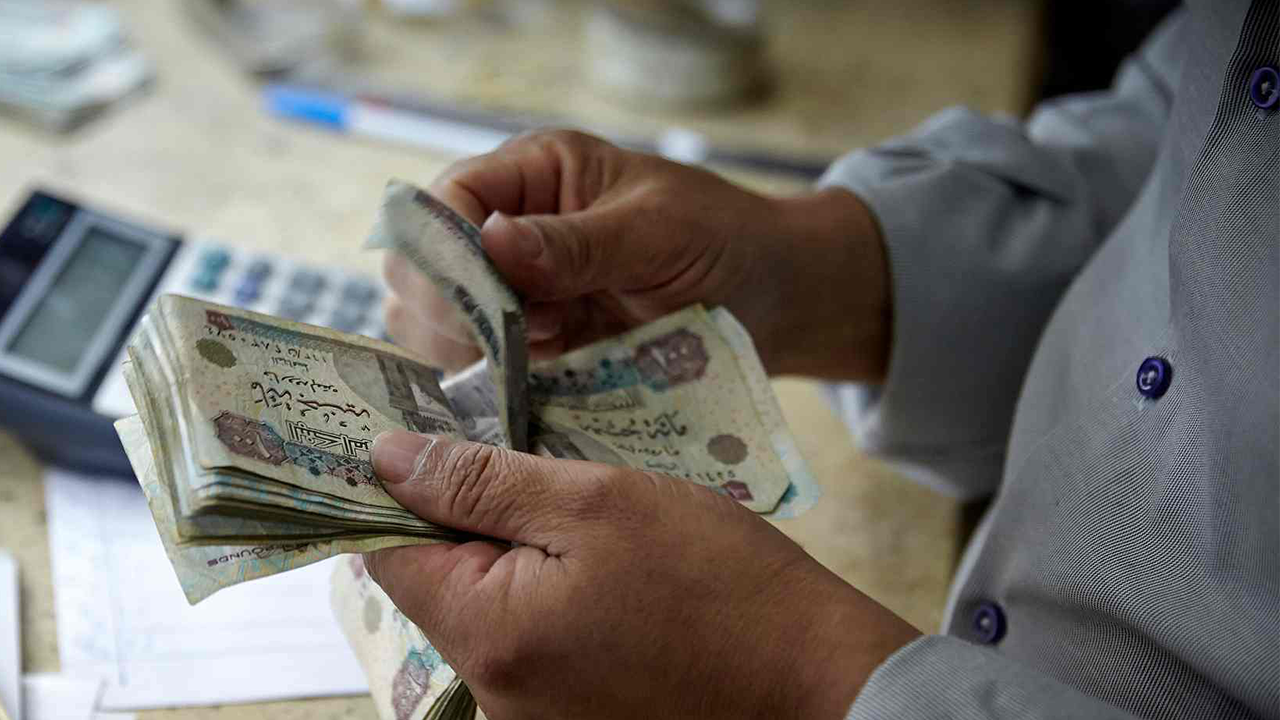
The two countries have renewed their bilateral currency swap agreement for another three years. The value increased from 18 billion yuan to 30 billion yuan, equivalent to roughly USD 4.43 billion.
Why You Should Care
The expanded agreement gives Egypt greater access to Chinese yuan liquidity without relying on foreign exchange markets, helping facilitate trade and investment flows between the two countries while reducing exposure to currency volatility.
For Egypt, the move aligns with broader efforts to diversify sources of foreign currency and support commercial ties with one of its largest trading partners. It also reflects a growing willingness among emerging economies to conduct parts of their trade in currencies other than the US dollar.
Currency swap agreements allow central banks to exchange and access each other’s currencies directly. In practice, this can lower transaction costs and reduce exchange rate risks for businesses engaged in cross-border trade and investment.
The renewed agreement increases the facility’s value by approximately 67% compared to the previous arrangement. It also remains eligible for renewal when the new term expires.
The extension builds on a wider financial cooperation agenda between Cairo and Beijing. In recent years, the two countries have signed agreements covering cooperation in digital currencies and payment system integration. Egypt has also introduced measures allowing Chinese companies operating in the country to use the yuan in local transactions and open yuan-denominated bank accounts.
These initiatives are designed to support Chinese investment activity in Egypt while making financial transactions between the two markets more efficient.
The Ripple
The agreement comes as China’s currency gains a larger role in international finance.
According to data from the People’s Bank of China, central banks worldwide drew 111.6 billion yuan from China’s swap facilities by the end of March. This marks the highest level of utilization in two years. The quarterly increase was also the largest since 2023, signaling growing demand for yuan liquidity among monetary authorities.
For Egypt, the expanded swap line could strengthen trade settlement options with China and provide an additional channel for managing foreign currency needs. For Beijing, it advances broader efforts to increase the international use of the yuan through financial partnerships with emerging markets.
What to Watch
The expanded agreement marks another step in the growing financial relationship between Egypt and China. Beyond providing greater access to yuan liquidity, the deal builds on a broader framework of cooperation.
As trade and investment ties between the two countries continue to deepen, the larger swap facility could provide additional flexibility for businesses operating across both markets. The agreement also comes at a time when demand for China’s currency swap network is rising globally, highlighting the yuan’s growing role in international trade and finance.
If you see something out of place or would like to contribute to this story, check out our Ethics and Policy section.