Egypt’s monetary policy seems to be entering a period of stability.
Stable interest rates could support currency stability, manage inflation expectations, and create a clearer backdrop for businesses and investors planning ahead.
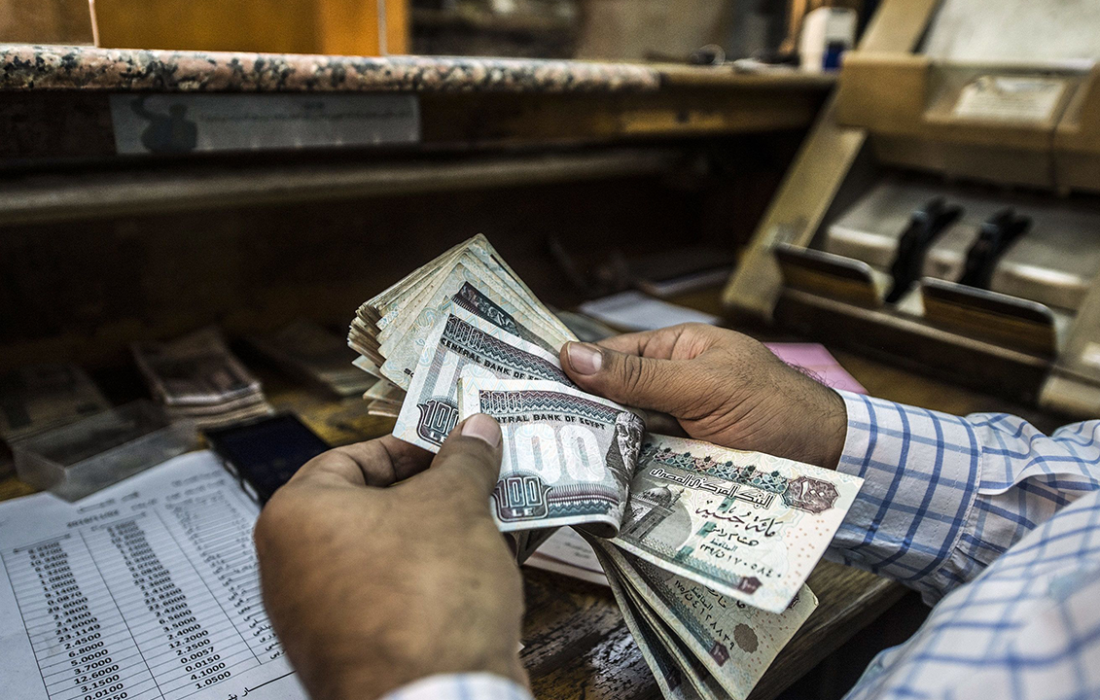
Fitch Solutions expects the Central Bank of Egypt (CBE) to keep interest rates unchanged through the end of 2026, extending a pause in its easing cycle after two consecutive meetings without a rate cut.
Why You Should Care
A steady rate environment gives businesses, investors, and consumers greater visibility when making financial decisions.
For companies, stable borrowing conditions can improve planning and investment timelines. For investors, high local yields continue to support Egypt’s appeal in global fixed-income markets. Together, these factors could help reinforce confidence across the broader economy.
The CBE left its overnight deposit and lending rates unchanged at 19.0% and 20.0%, respectively, during its May 21st meeting. According to Fitch Solutions, policymakers believe current rates remain sufficiently restrictive to contain inflationary pressures while supporting economic stability.
The research firm noted that recent inflation increases stem largely from supply-side factors rather than stronger consumer demand. At the same time, economic activity remains resilient. Egypt’s real GDP growth reached 5.0% year-on-year in the first quarter of 2026, following 5.3% growth in the previous quarter.
Fitch Solutions expects inflation to average 15.5% in 2026, up from 14.2% in 2025. However, it forecasts a return to disinflation during the fourth quarter of this year, creating room for monetary easing later.
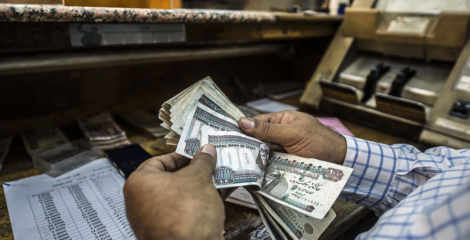
Several factors support the case for holding rates steady. Lending rates remain above 20%, helping moderate demand pressures while maintaining attractive returns for savers. Meanwhile, government treasury bill yields continue to offer a substantial premium over policy rates, supporting foreign investor interest in local debt instruments.
The report also highlighted the authorities’ commitment to exchange rate flexibility. Rather than relying heavily on reserves, policymakers have allowed market mechanisms to absorb periods of volatility. This approach has helped the Egyptian pound remain relatively stable in recent months while supporting the return of foreign inflows.
Alongside policy rates, banks have introduced additional measures to manage liquidity. Egypt’s largest state-owned banks raised rates on key savings certificates earlier this year, with private lenders following similar moves. These steps aim to strengthen savings incentives and anchor inflation expectations without imposing broader constraints on economic activity.
The Ripple
A prolonged period of policy stability is expected to influence several sectors across the economy.
Banks will benefit from continued demand for savings products that offer attractive returns. Fixed-income investors are predicted to find Egyptian government debt increasingly appealing as yields remain elevated. Businesses, meanwhile, gain a clearer framework for financing and expansion decisions.
The outlook also carries implications for foreign investment. Stable rates, combined with exchange rate flexibility, will strengthen Egypt’s position as investors search for yield in emerging markets.
What to Watch
The next key milestone will be the trajectory of inflation during the second half of 2026.
Fitch Solutions expects inflation pressures to ease again in the fourth quarter, setting the stage for a gradual return to rate cuts in 2027. Under its base case, the CBE could lower rates by a cumulative 400 basis points next year while maintaining progress toward price stability.
For now, policymakers appear focused on preserving stability and allowing recent reforms to gain traction. If inflation moderates as expected and currency conditions remain supportive, Egypt could enter 2027 with greater flexibility to support growth through a new easing cycle.
If you see something out of place or would like to contribute to this story, check out our Ethics and Policy section.