Rising jet fuel prices force cancellations and reshape summer travel plans
Flight disruptions are already spreading as airlines move early to manage rising fuel costs.
Why You Should Care
Low-cost airlines are adjusting fast, and that shift is starting to affect ticket availability, pricing, and travel timing.
The closure of the Strait of Hormuz has pushed fuel prices higher, forcing airlines with tighter margins to act early. For travelers, that means fewer flight options and a stronger push to book earlier. For operators and investors, it highlights how exposed low-cost models are to sudden cost shocks.
Low-cost carriers, which account for more than a third of the global market, rely on thin margins and competitive pricing. That structure leaves little room to absorb fuel spikes, making route cuts and schedule changes a necessary response rather than a choice.
Airlines have already started to move. Ryanair, Transavia, and Volotea are among those reducing flights to limit the impact. Lufthansa Group plans to cancel 20,000 flights by October and suspend its CityLine unit entirely. Air France-KLM has cut 2% of flights through Transavia, while Dutch carriers reduced 1% of European routes.
Outside Europe, Air Transat lowered capacity by 6% between May and October. AirAsia signaled further reductions, including transit flights. A Malaysian low-cost airline said it will raise ticket prices by up to 40% while cutting a similar share of routes.
At the same time, not all players are pulling back. Wizz Air has maintained its capacity so far, betting that competitors will reduce supply first.
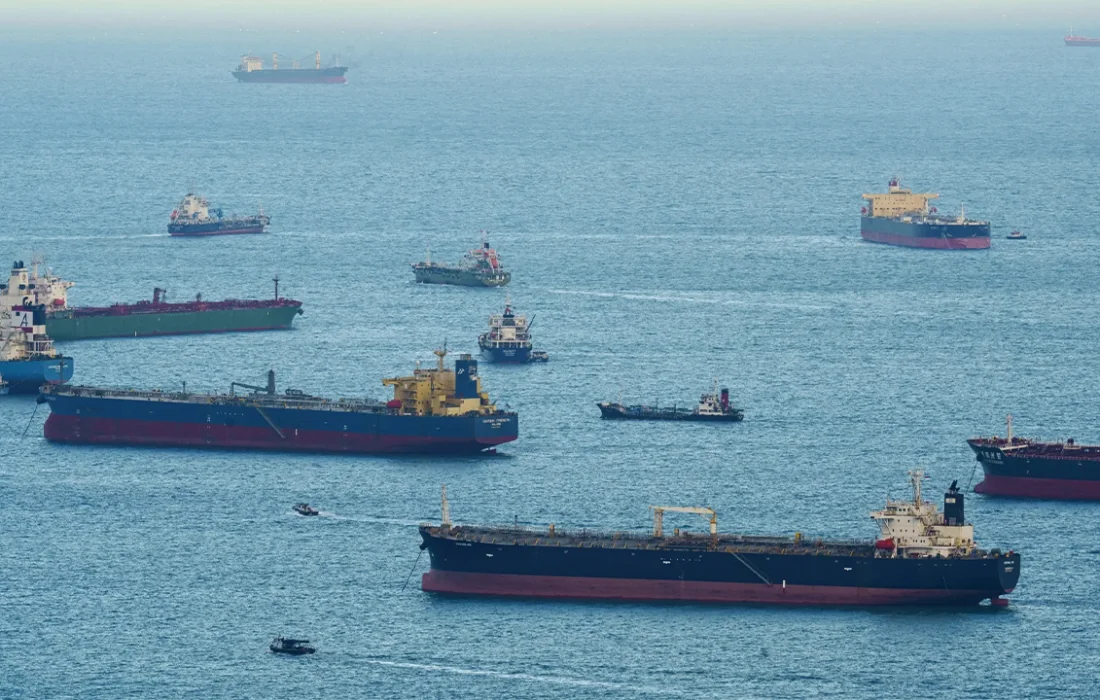
The pressure is tied directly to fuel. The Strait of Hormuz, which typically carries around one-fifth of global oil and LNG supply, has been effectively closed since late February. That disruption has driven jet fuel prices higher and raised concerns about potential shortages.
Industry voices are already adjusting expectations. Ryanair CEO Michael O’Leary warned earlier this month that fuel concerns are pushing travelers to delay bookings.
Analysts say schedule adjustments are not unusual this time of year. However, the scale of current fuel prices suggests deeper cuts may follow if costs remain elevated.
The Ripple
The impact is moving beyond airlines. Travelers are changing behavior, delaying bookings or locking in tickets earlier to avoid price spikes.
For the broader travel ecosystem, fewer flights mean pressure on tourism flows, especially during peak summer months. Hotels, tour operators, and destination markets may see shifts in demand patterns rather than a simple drop in activity.
At the same time, airlines with stronger balance sheets or better fuel hedging strategies are in a more flexible position. European carriers, which tend to secure fuel in advance, may absorb some of the volatility better than others.
What to Watch
How airlines balance pricing and capacity heading into summer will define the next phase of the travel season.
If fuel prices remain high, further route cuts and fare increases are likely. If conditions stabilize, airlines may reintroduce capacity selectively.
The key signal will be timing. The closer the industry gets to peak travel season, the more visible these decisions will become in both ticket prices and flight availability.
If you see something out of place or would like to contribute to this story, check out our Ethics and Policy section.