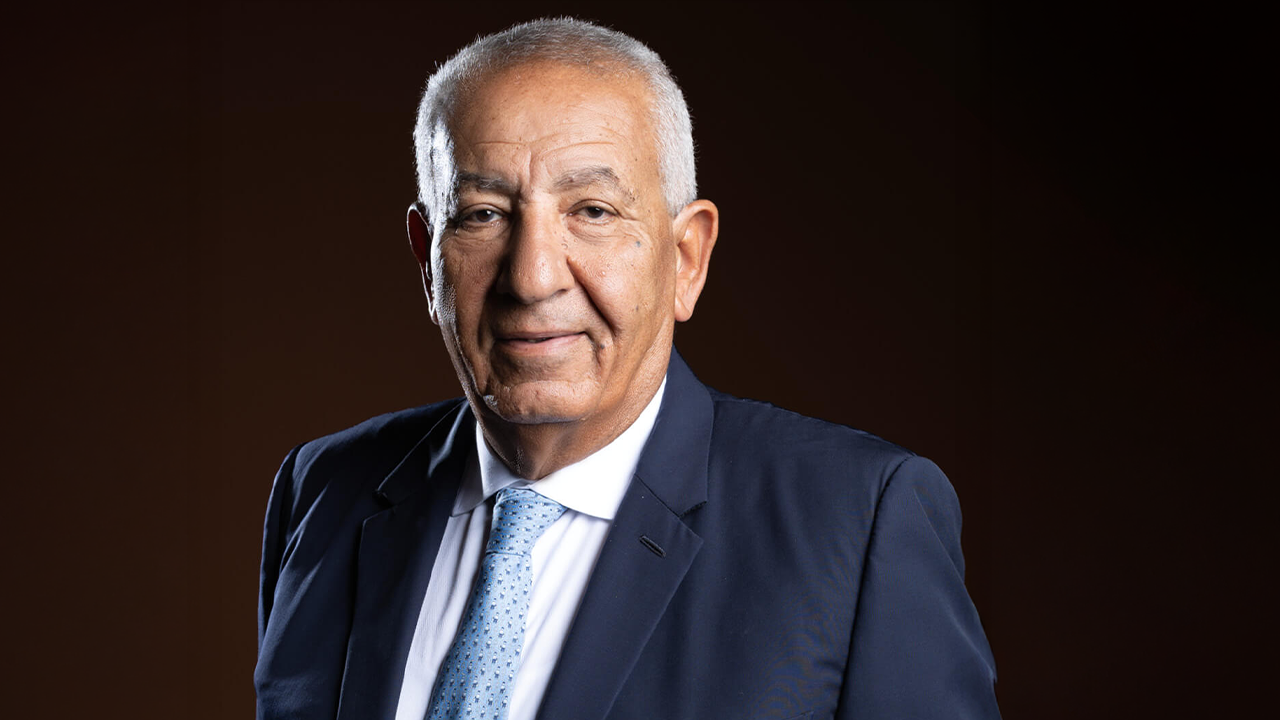
The hospitality group, founded by Kamel Abu Ali, expects to receive the financing by September as it expands its footprint in Morocco, explores opportunities in Oman, and prepares to open new hotels in Cairo and Sharm El Sheikh.
Egyptian hospitality group Pickalbatros is doubling down on Morocco’s tourism growth story after securing approval for USD 200 million in financing from the World Bank to support its hotel expansion plans in the North African kingdom.
The financing, which the company expects to receive between August and September, comes as Morocco ramps up investments in tourism infrastructure ahead of the 2030 FIFA World Cup, which it will co-host with Spain and Portugal.
Why You Should Care
The deal highlights how regional hotel operators are increasingly looking beyond their home markets to capture tourism growth across the Middle East and North Africa.
For Pickalbatros, Morocco has become a key growth market as international arrivals continue to climb and the country expands its hospitality capacity ahead of one of the world’s largest sporting events.
Founded by Egyptian businessman Kamel Abu Ali in 1992, Pickalbatros is a hospitality group. It operates one of the region’s largest privately owned hotel portfolios, with properties spanning Egypt and Morocco.
The company currently owns seven hotels in Morocco with approximately 1,500 rooms. Its latest addition was the opening of the Sangho Club resort in Marrakech last year.
Morocco welcomed 7.7 million tourists during the first five months of 2026, marking a 7% increase compared to the same period last year. The country is also working to add 25,000 hotel rooms as part of broader preparations for the 2030 World Cup.
Beyond Morocco, Pickalbatros is evaluating investment opportunities in Salalah, Muscat, and other locations across Oman. The group is considering both partnerships with private sector players and direct development projects through land acquisitions.
Earlier this year, the company signed a memorandum of understanding with Oman’s Palm Beach Company to manage a new 350-room hotel, marking its first step into Gulf hospitality markets.
The expansion drive extends to Egypt as well. Pickalbatros plans to open the 280-room Le Méridien Al Orouba hotel in Cairo before the end of the year. This will provide the group with its first presence in the Egyptian capital. It is also preparing to launch the 620-room Paradise Sharm El Sheikh resort later this year.
The company has allocated USD 200 million for hospitality investments during 2026. It represents more than a 120% increase compared to the previous year. The investment program includes new hotel developments and upgrades across its portfolio.
The Ripple
Pickalbatros’ expansion plans align with broader efforts across both Egypt and Morocco to increase tourism capacity and attract higher visitor numbers. The company’s investment activity also reflects growing confidence among regional hospitality operators in long-term tourism demand across MENA.
For Morocco, additional hotel capacity supports preparations for the World Cup and strengthens the country’s position as a regional tourism hub. For Egypt, continued investment by domestic operators contributes to a wider push to expand accommodation capacity and capture growing international travel demand.
What to Watch
Pickalbatros’ latest financing underscores how Morocco is emerging as one of the region’s most attractive hospitality investment markets ahead of the 2030 FIFA World Cup. As international arrivals rise and new hotel capacity comes online, operators with an established presence stand to benefit from growing demand.
For Pickalbatros, the expansion strengthens a broader strategy of building a regional hospitality platform that stretches beyond Egypt. With new projects underway in Morocco, upcoming openings in Cairo and Sharm El Sheikh, and opportunities under evaluation in Oman, the group is positioning itself to capture tourism growth across multiple high-potential markets.
If you see something out of place or would like to contribute to this story, check out our Ethics and Policy section.