The Saudi oil giant says the market has already lost around 1 billion barrels of oil in just two months.
Saudi Aramco CEO Amin Nasser warned that the global oil market could take until 2027 to fully stabilize if disruptions in the Strait of Hormuz continue through mid-June. He describes the situation as the largest energy supply shock the world has experienced.
Why You Should Care
The disruption in the Strait of Hormuz is no longer just a shipping issue. It is becoming a prolonged supply shock that is reshaping global energy flows, pushing oil prices higher, and increasing pressure on already tight inventories.
For markets across the MENA region, the implications go beyond crude prices. Extended disruptions could impact inflation, shipping costs, industrial activity, and broader economic stability if energy flows remain constrained for months.
Saudi Aramco CEO Amin Nasser warned that the global oil market could take until 2027 to fully stabilize if disruptions in the Strait of Hormuz continue through mid-June. The comments came as the oil giant reported a 25% rise in first-quarter net profit.
According to Nasser, the market has already lost around 1 billion barrels of oil over the past two months due to shipping disruptions tied to the Iran blockade of the Strait of Hormuz following the US-Israel conflict.
He said the market is currently losing roughly 100 million barrels of oil every week the maritime chokepoint remains disrupted. Vessel traffic through the strait has also dropped sharply, with only two to five ships crossing daily compared to around 70 before the conflict.
Nasser described the situation as the largest energy supply shock the world has experienced. He added that years of underinvestment in the sector have worsened pressure on already low global inventories.
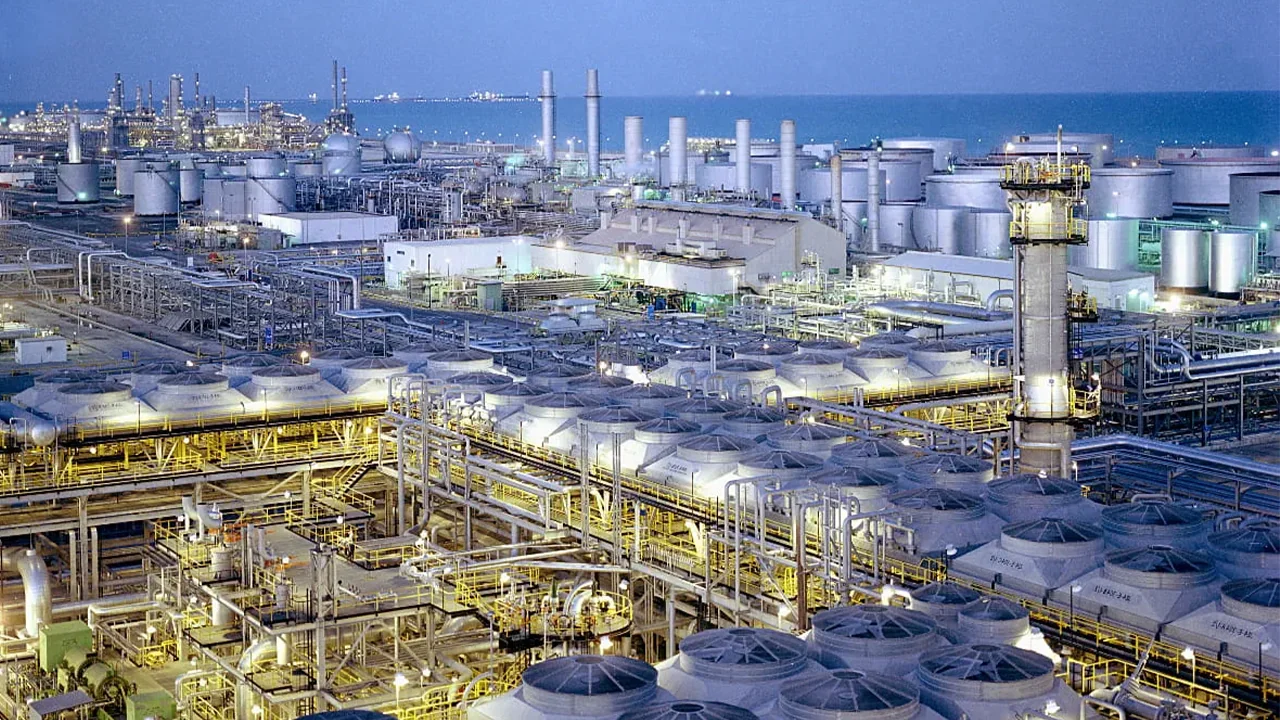
Aramco has increasingly relied on its East-West Pipeline to bypass Hormuz and move crude from its eastern production fields to the Red Sea port of Yanbu. The pipeline is currently operating at its expanded capacity of 7 million barrels per day.
Nasser called the infrastructure a “critical lifeline” for maintaining supply flows during the disruption. He also reiterated that Asia remains a core market for Aramco despite the ongoing shifts in shipping routes and logistics patterns.
Even if the Strait of Hormuz reopens immediately, Nasser said the market would still require months to rebalance due to the scale of lost supply and ongoing pressure on inventories.
The Ripple
The disruption is reinforcing the strategic importance of alternative export infrastructure across the Gulf. Pipelines, Red Sea ports, and overland energy routes are becoming increasingly important as producers look for ways to reduce reliance on a single maritime chokepoint.
The situation is also placing renewed focus on energy security planning across importing nations in Asia and Europe. Prolonged supply disruptions could accelerate efforts to diversify supply chains, build larger reserves, and invest further in alternative shipping and export corridors.
What to Watch
Markets are now watching whether shipping activity through Hormuz begins to recover in the coming weeks. The pace of normalization will likely determine how long oil prices remain elevated and how quickly inventories can rebuild.
Attention will also remain on how Gulf producers continue adapting logistics networks to maintain exports. Infrastructure that can bypass Hormuz is becoming increasingly central to regional energy resilience as volatility continues across global markets.
If you see something out of place or would like to contribute to this story, check out our Ethics and Policy section.